911mg, Author at 911mg - Page 7 of 10

Questions and Answers

How To Get Stronger Erections? Age-Related Drop In Erectile Function

good morning doctor i am 64 years old and have normal sex 1 or 2 times a week. now and for a certain period of time 3 or 4 times a…

1782

views

1

answers

0

votes

Are all ED medications the same?

Hello! I have been having one failure after another in bed, to the point where it no longer feels like a ”bad day”… So sad t…

1357

views

1

answers

0

votes

How to cure ED

I was diagnosed with erectile dysfunction. Is it a lifetime diagnosis or is full recovery possible?…

1635

views

1

answers

0

votes

How Can You Get Stronger Erections (without medication)?

Is there an effective product available without a prescription that includes a remedy for erectile dysfunction and premature ejacu…

1424

views

1

answers

0

votes

Do Penis Pumps Work? Can They Cause ED?

Having established that there are no effective methods of those circulating on the net (apart from cosmetic surgery or hyaluronic …

1773

views

1

answers

0

votes

How To Get A Hard On Instantly

Hello! My problem is this: it always takes me a long time to achieve erection, even with sufficient sexual stimulation. What can I…

2069

views

1

answers

0

votes

Do I Need A Prescription For Viagra?

Hello! I have always though that you needed prescription to buy Viagra, but recently there’s talk of Viagra Connect and how one …

1752

views

1

answers

0

votes

Erectile trouble at 24 with women my age

Doctor good evening, I am a 24 year old guy, I have been living with a girl for 7 years, for some years things have not been going…

1364

views

1

answers

0

votes

Will Cialis Be Available Without A Prescription

I know that Viagra is now sold OTC in Europe, how about Cialis OTC? I would be first in line to buy Cialis over the counter, have …

1769

views

1

answers

0

votes

ED After A Weight Loss Diet; Increase Side Effects Of The Drug

After several years of using the drug vardenafil with excellent results and few side effects, I went on a diet losing 25 kilos and…

1343

views

1

answers

0

votes

Reasons for Absence of Orgasm in Women

Having sex doesn’t always mean having satisfaction. Almost half of all women who have sexual relations do not climax. The problems with reaching an orgasm in women are not new. Numerous studies have been held on this matter and they confirmed that the absence of orgasmic feelings may be related to physical, emotional or relationship issues. So, let’s have a closer look at each of them.

Physical causes of anorgasmia

Many women experience problems with coming to the climax because of physical health issues. Among the major causes are:

  • Low libido. Lack of sex drive doesn’t let a woman respond to the sexual stimulation she receives from her partner. Loss of interest in sex leads to the absence of orgasms.
  • Hormonal imbalance. Both lack and excess of some hormones may result in poor libido, insufficient lubrication of the intimate zones and, as a result, inability to climax.
  • Pain during sexual intercourse. It may happen so that a woman feels pain during sex. It may be connected with the childbirth, menopause or some physiological peculiarities of the penis of her partner (e.g. wrong shape).

Emotional challenges

Women who became the victims of sex abuse may have serious problems with getting pleasure from the intimate relations in their further life. Besides, low self-esteem may also play a bad trick with women because they cannot relax and enjoy the process.

In addition, some mental health issues may become an obstacle on the way to orgasm too. Anxiety and depression are among the leading causes of anorgasmia in women.

Certain religious beliefs and peculiarities of the upbringing may make a woman think that sexual relations and orgasm are something wrong.

Problems in relationships with a partner

Unresolved issues, lack of trust, and fear or shyness of speaking about the preferences in sex may also have a negative impact on the emotional condition of the woman thus preventing her from reaching an orgasm.

Fortunately, all these may be easily solved by a frank conversation with the partner. It will help you either to become closer to each other or understand that he is the wrong guy for you.

Whatever the case, you should always seek for the right solution no matter where it is: in the doctor’s cabinet, in your head or in your heart.

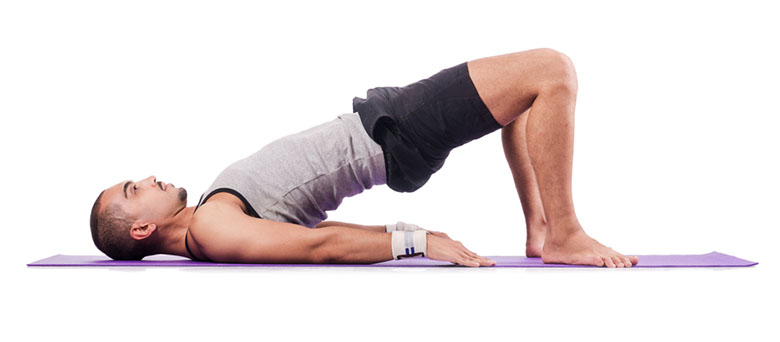
Exercises to Improve an Erection

Difficulties with getting and keeping an erection happen to the bulk of men of different age at some stage of their life. This problem may be provoked by various factors, either momentary (e.g. trauma, serious stress) or evolved during some period of time (e.g. atherosclerosis, obesity).

No matter what has become the crucial factor of erectile dysfunction, this condition may be managed and significantly improved thanks to the special exercises. They help to enhance the supply of blood to the pelvic organs and strengthen the muscles of the pelvic floor. A simultaneous impact on both mechanisms can help to fully or partially restore the ability to get an erection without using the pills.

How to do the exercises?

First of all, you have to find and feel the muscles you are going to work on. To do this, you should try to hold the stream of the urine. The muscle area you use to perform this action is the one you need to train.

You’ll need no additional equipment to train the pelvic floor muscles. Just strain and relax the muscles for at least 10-20 times three times a day. Try to hold the muscles strained for three seconds and then keep them in a relaxed condition during the same period of time.

Of course, the effect won’t be seen at once. You’ll need at least two weeks of regular exercises to notice the result.

In the study conducted in one of the British universities, 40% of the participants succeeded in complete recovery from the erectile dysfunction. Whereas 33% could significantly improve their ability to get and keep an erection.

What else can help to deal with ED?

Because erectile dysfunction may result from a number of underlying health condition (like heart disease, obesity, hypertension), it is important to keep to a healthy way of life. Daily aerobic exercises, for example, can improve the flow of blood to the penile area. Besides, they have a positive impact on the oxygenation of blood and consequently all the other body cells. Aerobic workouts can better the condition of your cardiovascular system, lower your blood pressure, and promote weight loss.

Set the right goals, reach them, and you’ll have no troubles in bed.

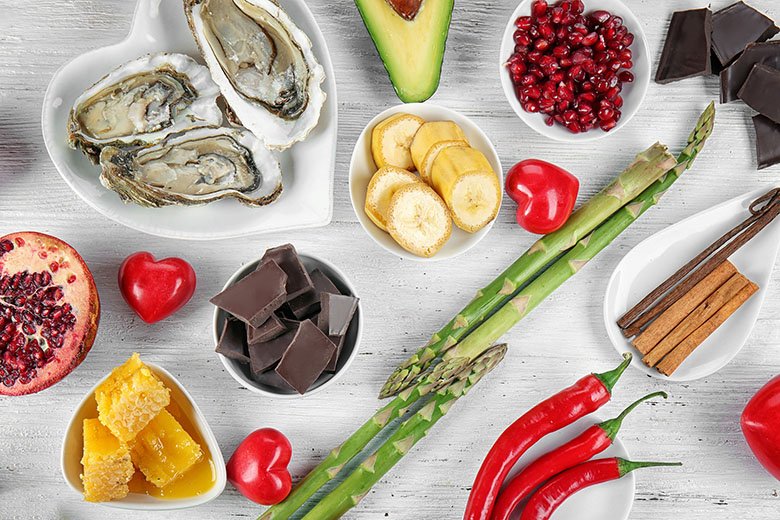
Aphrodisiacs: the truth and the myths

If you ask any adult person in the street to name at least one food product that is considered an aphrodisiac, you are very likely to hear an answer. But is it all true? Can food really stimulate our libido? Can it help to better performance in bed? Actually, there are no scientifically based confirmations about such an effect of either of the foods we may think of.

Neither oysters nor bananas have any impact on male or female ability to get sexually excited in the way of physiology. However, from a psychological point of view, anything is possible.

Foods having the shape of the sex organs are stimulants

Numerous scientific researches couldn’t prove any libido stimulating properties of foods that resemble male or female sex organs. So, carrots, cucumbers, and oysters won’t help your penis to get erected. Nevertheless, a human brain can trace certain associations that may help your fantasy develop thoughts about sexual contacts when eating at looking at these products.

Food texture and taste

It’s not always the shape that gives grounds to think about the food as of an aphrodisiac. Foods having smooth and creamy texture are also sometimes associated with pleasure in bed. Speaking about the taste, spicy dishes and foods are thought to make you “hot” between the sheets, yet it is all rather doubtful.

Coffee and chocolate

These are, probably, the best candidates for being called aphrodisiacs. That’s because both chocolate (actually only dark chocolate) and coffee can work as the central nervous system stimulants. They can elevate the blood pressure and give us some additional energy, which may be directed to the embodiment of our sexual fantasies.

However, neither coffee nor chocolate can trigger physical mechanisms of arousal. Both act by narrowing the blood vessels, which is an absolutely contrary effect of what is needed for getting an erection, for example. So, to believe in aphrodisiacs or no is only your choice. Nevertheless, remember that a romantic atmosphere can work best of all regardless of the foods in your plate.

Pros and cons of using aphrodisiacs for erection enhancement

For thousands of years, some foods and herbs have been used to improve male sexual performance and to raise the libido. Nothing has changed: people still believe in the power of aphrodisiacs. However, there is very little scientific evidence concerning the positive effects of these plants.

Let’s compare what advantages and disadvantages one may get from using aphrodisiacs. Do they work? Are they safe? The answers to these and some other questions we’ll try to find in this article.

Aphrodisiacs and their benefits

At first, let’s give a definite answer to the question of what is an aphrodisiac? It is a substance that promotes a rise in sexual desire. So, not a word about erection improvement, isn’t it? However, if a man feels the arousal, he is very likely to get an erection.

All the aphrodisiacs may be classified into several groups depending on the effect induced:

  • Those improving the circulation of blood in the pelvic area. Here belong cayenne pepper, asparagus, pomegranates, red wine, watermelons, and other foods.
  • Those increasing the levels of testosterone. This group comprises salmon, oysters, avocado, ginseng, and so on.
  • Those relaxing the muscles of the blood vessels and the penis. This effect is promoted by honey, watermelons, beet, and some other nitric oxide donors.
  • Those bettering stamina and overall feeling of excitement. This may be achieved with the help of dark chocolate, chili pepper, figs.

A number of more “exotic” aphrodisiacs popular in India, China, and Africa include Yohimbe, Spanish fly, deer antler, and the horn of the rhino. Unlike foods, these may induce a real danger to health.

All the mechanisms triggered by the aphrodisiacs may work well for men seeking sexual satisfaction. Yet, they are likely to be helpful only in light cases of male sexual inability.

Cons of using aphrodisiacs

As the scientific base for proving aphrodisiacs potency and safety is very weak, men have to be careful with the intake of some of them. To the probable negative effects of these substances belong:

  • Very low blood pressure (tiredness, dizziness);
  • Urinary infections;
  • Allergic reaction (rash, hives, swelling of the tongue, throat or face);
  • Liver and kidney disease;
  • Inability to get sexually excited without a stimulant.

A New Research Concludes That ED Can Have Genetic Causes

Erectile dysfunction is a disorder of men’s health consisting in the difficulty both to have an erection of the penis and to maintain it. It should be noted that this is not a disease, but rather a symptom that can reveal the presence of other diseases: cardiovascular alterations, endocrine-metabolic problems, diabetes or neurological diseases. A group of researchers from some American universities and Kaiser Permanente

To reach this discovery, the researchers – coordinated by Stephen Van Den Eeden – relied on an English database that includes data from over 36 thousand men and used a genetic analysis method called ‘genome wide association’, a procedure that has the goal of associating certain genome variants with the presence of certain diseases or dysfunctions. In this way, scientists discovered that this genetic variant is associated with the SIM1 gene, but they also found that it has nothing to do with weight regulation, but acts with a different mechanism, probably related to the neurons of sexual desire. The discovery – published in Proceedings of the National Academy of Sciences – is important because it could allow the development of new, more targeted drugs that could replace medicines such as sildenafil (the most common trade name of which is Viagra

But it does not end here: the genetic mechanisms of erection could also play a role with regard to sexual function, including desire and excitement, in women. According to the authors of the study, in fact, these analyzes on mechanisms underlying erectile dysfunction open the way to the study of new therapies, aimed at more specific targets, for the treatment of these disorders: treatments that could offer a potential to improve sexual function not only in men, but also in women.

Masturbation Side Effects (And Benefits!)

Sexuality has long been considered a taboo subject, and unfortunately nowadays it is sometimes still the case. Although it seems logical to believe that the knowledge accumulated in recent times can easily overturn the theories behind these deceptive beliefs, there is still a certain resistance to breaking down those walls that we know have no meaning, to put an end to lies that have survived for years and that they have grasped the concept of ethics in society, even though they are completely wrong. The topic of masturbation seems to be especially riddled with controversy, myths and inhibitions.

Masturbation is not a harmful pastime per se if performed in a balanced, non-compulsive or controlled manner. It is a way to reach orgasm even for those who do not have the possibility to achieve it together with a partner.

Masturbation has negative side effects when it becomes a fixed idea, an uncontrollable impulse. When the self-erotic practice replaces a healthy relationship with others, becoming a compulsive, uncontrolled behavior, which needs to be carried out in a mechanical and ritual manner and which ends up interfering in everyday life, creating relationship problems. Such cases require attention of a specialist (psychologist or sexologist).

Otherwise, in normal conditions today, even the World Health Organization

Masturbating becomes unhealthy when it becomes a necessary act without which you cannot go on about your day, when it becomes a daily necessity that makes you cancel any kind of interest outside of auto-eroticism.

Age has a great influence on sexual activity and on auto-eroticism, when you are very young it is normal to be attracted to masturbation, it is a way to get to learn more about your body. We begin to discover sexual pleasure and the various techniques to enjoy in different ways, intensifying it. There are people who, even as adults, continue to maintain constant daily sexual activity. It is fundamental is to understand the triggering factor, for example if it is aimed at pure entertainment or the desire to relieve tension and physical or emotional stress, masturbating is not a negative factor at all.

If masturbating every day becomes a compulsive attitude then it is good to investigate the unconscious triggers and possibly seek advice from a specialist to understand how much auto-eroticism negatively affects one’s life.

Auto-erotic self-pleasure is a way of practicing 100% safe sex: there is no possibility of infection, of contracting sexually transmitted diseases. Furthermore, as reported by other studies, masturbation is good for health and prostate cancer: especially if carried out between the ages of 20 and 50, five times a week, it would be the most powerful means of preventing prostate cancer.

If you are using sex toys, it is important to always sanitize and clean them.

Couple masturbation constitutes an important emotional exchange and when the couple manages to practice it individually, being one in front of the other, it establishes a moment of sharing the most secret and intimate moments and favors greater communication in the couple. It helps you to get to know your partner’s body better and to understand the points and erogenous zones that stimulate sexual pleasure and orgasm the most.

Sex Phobia – Symptoms, Causes And Treatment

Phobias affect all areas of life, even the most pleasant spheres. This is the case with sex phobia, but where does it come from? Sexophobia is categorized as a psychic disorder characterized by aversion towards the sexual sphere. It is not just a question of refusing to have relationships, but of shunning many aspects of sexuality.

Sex Phobia Symptoms:
  • An excessive and uncontrolled negative emotional response to the source of the phobia itself,
  • Uncontrolled thoughts that foment fear both at the sight of the stimulus, and only in case memories
  • Behavior of refusal and avoidance of all places or people or situations that have to do with the source of the phobia.

Sexual phobia or sexuophobia is listed in the DSM-IV as a desire disorder; more specifically it is called sexual aversion disorder. The symptoms, previously described in a transversal way for the various phobias, here deal with the rejection of sexual desire, of erotic activities. The fear experienced is not addressed, but generally the person prefers to manage the situation by removal.

It must be said that in some cases the strategy, at least in appearance, seems functional, since the disorder can involve every aspect of sexuality (desire, activities, partners, etc.), only some or even focus on a single element.

As with any other form, sex phobia can have a “low tone” start and then grow into a vicious circle. The consequences of phobia can affect family, relationship and work life; subjects fail to build solid relationships and often over time the same relationship with the other sex is compromised by widening the consequences of the disorder beyond the purely sexual sphere.

Those who suffer from this disorder tend to associate sexuality with a sense of reprehensible disgust; it is not said that he is not able to have relationships, but surely he will not be able to enjoy them entirely. At the basis of sexual phobia there are thick childhood traumas linked to abuse, but it is possible that unrealistic expectations or guilt feelings associated with a negative view of sexuality that can be transmitted through education may also influence.

Oftentimes these states are accompanied by sexual dysfunctions, which in men translate into weak erections. Those can be helped by contemporary oral means of ED therapeuting, but the best results are always achieved with psychological therapy and oral medicating.

Sex Phobia Treatment

The disorder can only be dealt with effectively

Most Common Symptom Of Menopause And Its Management

The fertile period of the woman begins with puberty and ends with menopause, that is with the interruption of menstruation, which usually occurs between 48 and 55 years. However, the disappearance of the cycle is not sudden, in fact it is preceded by a long transitional phase called climacteric, with a variable duration of 5-10 years, during which most of the disorders accused by many women occur, such as the flushing of heat, vaginal dryness, insomnia and irritability. However, there are pharmacological and natural remedies that can alleviate these problems and restore serenity and well-being.

Although not a disease, climacteric and menopause are often characterized by a series of symptoms and disorders; we are talking about a climacteric / menopause syndrome. The most common symptom? Surely the hot flashes – a recurrent, transient symptom of redness, sweating and a sensation of heat often accompanied by palpitations and a sense of anxiety – night sweats, dizziness, mood swings and vaginal dryness, due to the fact that estrogen they “nourish”, hydrate the urogenital apparatus during their reproductive life and their absence determines a progressive involution process.

There are also other manifestations, more or less frequent and marked, which can be a consequence of the progressive depletion of hormone production, such as headache, apathy, nervousness, insomnia, increased body weight and a greater risk of osteoporosis. It is a difficult but physiological phase of every woman

Hormone replacement therapy (TOS or HRT) is one of the ways to tackle premenopausal and menopause-related disorders, although it is still a much discussed choice as it is often accompanied by side effects and an increased, albeit modest, risk of cancer breast cancer, gallbladder disease, dementia, deep vein thrombosis and stroke. It should be noted that these risks double

It is a pharmacological treatment based on hormones, estrogens alone or associated with progestins, normally produced by the female organism, in particular by the ovaries. The concrete indication and the need for hormonal administration should in any case be agreed with the gynecologist, without forgetting the transitory benefits of this therapy, as symptoms often reappear when treatment is stopped.

Hormone replacement therapy is available in the form of pills, patches, gel to be applied to the skin or as a nasal spray. In the event that the symptoms consist only of vaginal disorders it is preferable to focus on products for local use.

In any case the choice of the pill, the plaster, the gel or the spray or a combination of several products must be made together with the doctor, after a careful evaluation of the general clinical situation and of one’s particular preferences or needs.

The natural remedies for menopausal disorders are many and allow relief to be found from those annoying symptoms, such as hot flashes, nervousness, migraine and insomnia, without necessarily resorting to taking hormones.

Among the most widespread there are the red clover, used especially against the annoyances associated with hot flashes, the gel extracted from aloe vera, against dry skin and hair, red fruits in general, rich in antioxidants, which allow to fight the effects of cellular aging preserving muscle tone and that of the sexual organs, plant estrogens contained in soy, dairy products in general, which are rich in calcium and, therefore, help to counteract the damage caused by osteoporosis, and rich foods of vitamin D, essential for fixing calcium in the body.

Dry Skin In Menopause? This Is What Can Be Done To Avoid It

Menopause is a phase of life in which many changes occur, and those changes can lead to a series of disorders and annoyances that must be dealt with. Even the skin suffers, more than you can imagine. We are not just talking about wrinkles and aging, but about lack of hydration. In fact, dry menopausal skin is one of the signs that our body sends us because something is changing. But why does it happen and what tricks can we take to avoid it?

Causes of dry skin in climacteric and menopause

The causes of dry menopausal skin are the same as all the other changes typical of this period: the reduction of estrogen and, in part, a physiological dehydration typical of aging. In fact, between the ages of 40 and 55, the production of estrogens drops, the menstrual cycle disappears, and a series of effects linked to the lack of estrogens occur.

Estrogens, the main female sex hormones, perform a series of functions in the body, including that of stimulating the formation of collagen and sebum, promoting skin hydration and counteracting free radicals that accelerate cellular agin. In menopause, therefore, the skin becomes thinner, less elastic, dry, and its processes of renewal and healing slow down.

With regard to dehydration associated with aging, on the other hand, it is a physiological phenomenon linked to the fact that as age advances we tend to lose more fluids and, at the same time, feel less the stimulus of thirst. Among the typical symptoms of menopause, dry skin is certainly one of the most easily managed, bringing some changes to the lifestyle, nutrition and hygienic and cosmetic treatments we dedicate to the skin.

What to do for dry menopausal skin

To keep the skin hydrated in menopause, obviously, it is imperative to satisfy the daily water requirement by introducing 1.5-2 liters of water per day (6-8 glasses of water), not forgetting that we also take water with food and, above all, with fruits and vegetables. Fruits and vegetables, on the other hand, also contain antioxidant substances, vitamins and minerals useful for combating cell aging.

The choice of soaps helps to counteract the dryness of the skin, opting for delicate detergents enriched with emollient and moisturizing substances. It is also necessary to get used to using water at the right temperature and for the right time, avoiding too hot water and too long showers because the natural hydro-lipid film of the skin (the protective oily layer) is excessively removed.

The hydrolipidic film performs an important function of protection from external agents that contribute to making the skin dry, and to preserve it it is good to use daily creams suitable for the type of skin. The skin, in fact, is exposed to cold, heat, dry air and UV rays at all ages, but these factors that influence the degree of hydration can further worsen the situation during menopause.

Changing your lifestyle is equally important, so it is good to give up smoking and reduce alcohol consumption and exercise, followed by a good reintegration of lost fluids. Physical activity is essential to reduce the risk of osteoporosis and maintain good health in the muscles, heart and blood vessels, as well as to improve skin health through better oxygenation.

In addition to dry, premenopausal and menopause skin, other skin problems can also develop, such as acne and the more or less frequent appearance of pimples. Also in this case the reason lies in the hormonal imbalance typical of this period, and the consultation of the dermatologist to resolve some situations may be appropriate.